
Learn
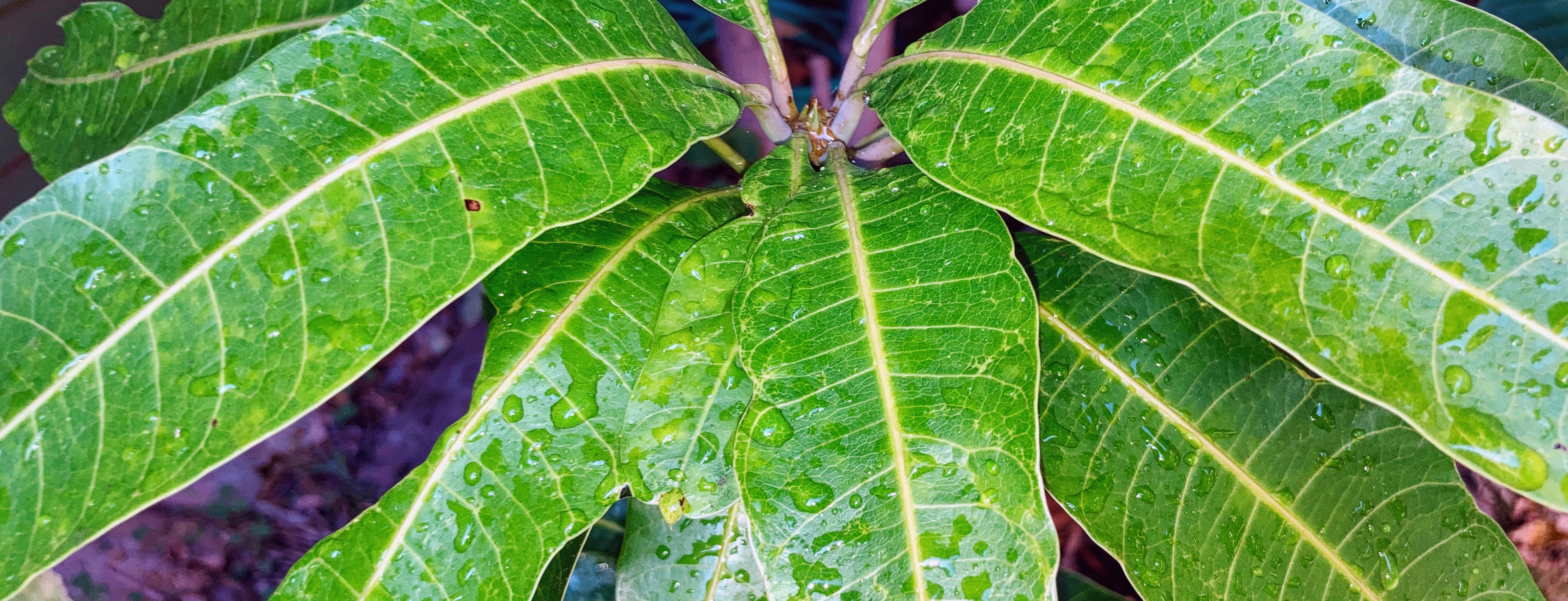
Before engaging and making big steps in anything, it is important that one is properly educated on the subject. In this case, we must learn about trees to know their impact. One can also share this knowledge to inspire others to plant trees as well.
The Benefits of Trees:
Improve Air Quality– Trees are most known for absorbing carbon dioxide (CO2) and releasing oxygen. By doing this, trees help to reduce the amount CO2, which is a major green-house gas. They also creating oxygen for animals, like us, to breath. Also, tree bark and leaves can filter out odors, contaminates, and pollutants in the air.
Improve Water Quality– During storms, tree leaves protect the ground by softening the landing of rain drops and give them more time to evaporate. This reduces runoff and floods. Also, tree roots help hold down soil, minimizing erosion and improving the water quality.
Improve Health– Research has shown that trees provide a sense of comfort to humans, reducing stress and stimulating relaxation. Also, hospital patients with a view of trees have shown to have a faster rate of recovery.
Provide Habitats– Trees provide homes for small animals such as squirrels and birds. They encourage other plants and shrubs to grow, creating a healthier ecosystem. This also invites bees and butterflies, which are essential to a healthy ecosystem.
City Benefits– A lot of cities develop what are known as “heat islands”. This is caused when concrete, pavement, and roofs absorb heat, then radiate it back out. Water evaporation and shade from trees help to cool down these areas. Trees have been shown to cool down places like sidewalks and streets by up to 36 degrees Fahrenheit! Trees also reduce noise pollution, for example, a 100ft long row worth of trees that are about 50 ft high, can block half the nose from a highway. Another benefit is that trees have shown to reduce crime rates significantly.
Money Benefits– The beautiful presence of trees can increase property value by 10-15%. Also, more shoppers are willing to stay longer in communities with more trees and shade, and may even pay more for the services and goods. If strategically placed, a fully grown tree can save up to 10% of one’s air conditioning costs. Deciduous trees are preferred for planting near houses. These trees provide shade in the Summer and Spring, then lose their leaves in the Winter and Fall, allowing the sun to warm the house.
These are only a few of the many benefits of trees. For more information check out our sources-
Now that you’ve read all about the benefits of trees, you can learn how to plant and care for one of your own. The instructions for planting a sapling can be found in the next step-
 & Aloha Roots 🌺